Introduction
Artificial Intelligence is transforming logistics by improving route planning, fleet management, demand forecasting, warehouse operations, shipment visibility and customer service. By combining AI with telematics, GPS, computer vision, predictive analytics and supply-chain platforms, logistics companies can reduce transportation costs, improve delivery performance and build more responsive operations.
10 Important AI Use Cases for Logistics Companies
1. AI Route Optimization
AI can analyze traffic, delivery windows, vehicle capacity, road conditions, distance and historical delivery data to recommend efficient routes. Dynamic optimization can also adjust routes when conditions change during transportation.
2. Predictive Fleet Maintenance
AI can analyze vehicle mileage, engine data, temperature, fuel consumption, diagnostic information and maintenance history to predict potential failures. This can help logistics companies reduce breakdowns and improve vehicle availability.
3. Demand Forecasting
Machine learning can analyze shipment history, seasonality, customer demand and market activity to forecast future transportation requirements. Better forecasts can improve fleet planning, staffing and capacity utilization.
4. AI Delivery Time Prediction
AI can estimate arrival times using traffic, weather, route characteristics, loading times and historical delivery performance. More accurate ETAs improve customer communication and delivery planning.
5. Intelligent Fleet Management
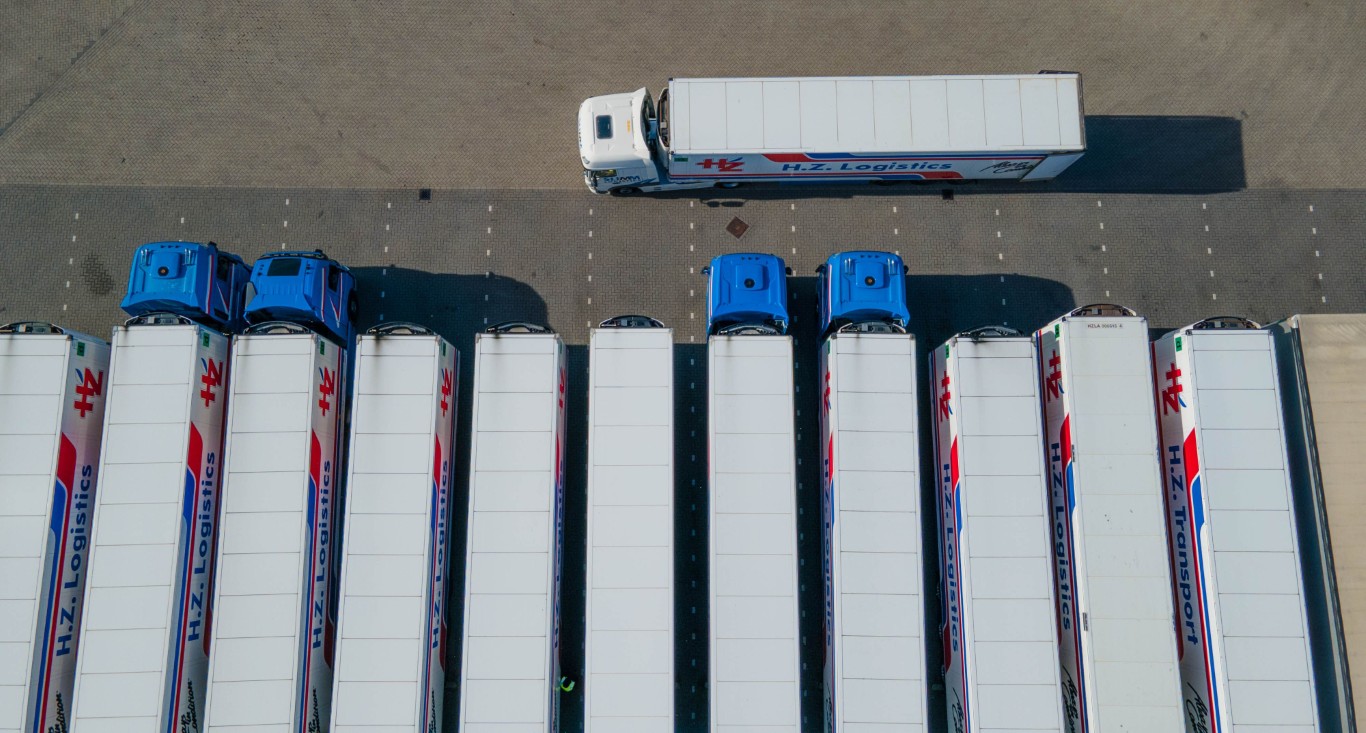
AI can analyze vehicle utilization, driver behavior, fuel consumption, route performance and capacity. Logistics managers can use these insights to improve fleet allocation and operational efficiency.
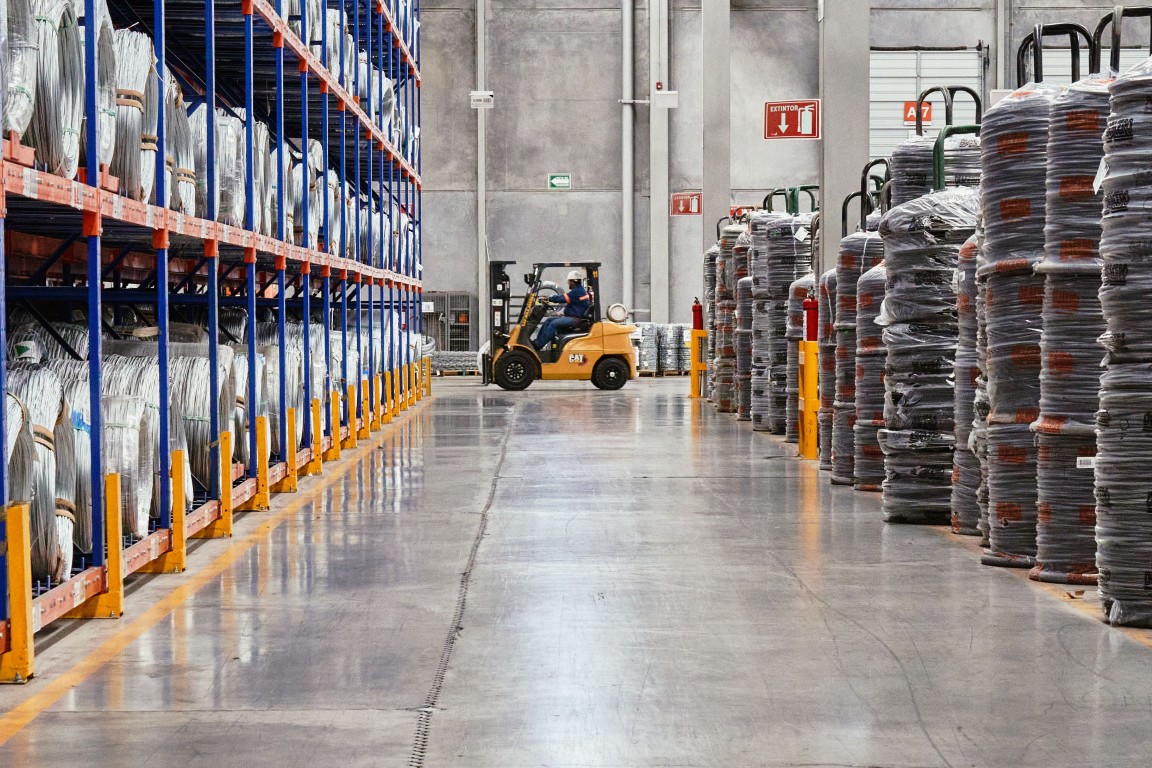
6. Warehouse and Distribution Optimization
AI can optimize inventory movement, warehouse layouts, picking priorities, loading sequences and dispatch planning. This can reduce handling time and improve warehouse throughput.
7. Computer Vision for Logistics Operations
Computer vision can identify damaged packages, verify labels, monitor loading and unloading activities, and support automated package counting. AI-powered cameras can improve operational visibility and quality control.
8. Shipment Risk and Exception Detection
AI can monitor shipments for delays, route deviations, missed milestones, unusual movement or other exceptions. Predictive alerts allow logistics teams to intervene before service levels are significantly affected.
9. Automated Customer Service
AI chatbots and voice assistants can provide shipment tracking, delivery updates, pickup information and answers to common customer questions. Complex cases can be escalated to human support teams.
10. Logistics Business Intelligence
AI-powered analytics can combine transportation, fleet, warehouse, customer, driver and financial data into unified dashboards. Management can monitor delivery performance, cost per shipment, vehicle utilization, fuel usage, service levels and profitability.
Potential Business Impact
| Business Area | Potential AI Impact |
|---|---|
| Routing | Lower travel time and transportation costs |
| Fleet | Better utilization and vehicle availability |
| Maintenance | Reduced unexpected breakdowns |
| Delivery | More accurate ETAs and service levels |
| Warehouse | Faster handling and dispatch |
| Capacity Planning | Better resource utilization |
| Fuel | Reduced fuel consumption |
| Shipment Visibility | Earlier detection of delays and exceptions |
| Customer Service | Faster automated responses |
| Management | Better operational and financial visibility |
Recommended AI & Software Stack
| Business Requirement | AI / Software | Use in Logistics Companies | Website |
|---|---|---|---|
| Transportation Management | Oracle Transportation Management | Transportation planning and logistics management | Oracle |
| Transportation Management | SAP Transportation Management | Transportation planning, freight and logistics operations | SAP |
| Warehouse Management | Manhattan Active | Warehouse and distribution management | Manhattan Associates |
| Warehouse Management | Blue Yonder | Warehouse, transportation and supply-chain optimization | Blue Yonder |
| Fleet Management | Samsara | Fleet tracking, telematics and operational intelligence | Samsara |
| Fleet Management | Geotab | Vehicle telematics, fleet analytics and tracking | Geotab |
| Route Optimization | HERE Technologies | Mapping, routing and location intelligence | HERE |
| Route Optimization | TomTom | Navigation, routing and traffic intelligence | TomTom |
| Supply Chain Planning | Kinaxis | Supply-chain planning and resilience | Kinaxis |
| Procurement | Coupa | Procurement, supplier and spend management | Coupa |
| AI & LLM | OpenAI | Logistics assistants, document intelligence and automation | OpenAI |
| Cloud AI | Microsoft Azure AI | Machine learning, predictive analytics and computer vision | Azure AI |
| Cloud AI | Google Cloud | AI, ML and logistics data analytics | Google Cloud |
| Cloud Infrastructure | AWS | Scalable logistics applications and IoT infrastructure | AWS |
| IoT | AWS IoT | Connected vehicles, sensors and telematics data | AWS IoT |
| Data & AI | Databricks | Logistics data engineering and machine learning | Databricks |
| Data Warehouse | Snowflake | Centralized transportation and operational data | Snowflake |
| Business Intelligence | Power BI | Fleet, delivery and logistics dashboards | Power BI |
| Analytics | Tableau | Transportation and supply-chain visualization | Tableau |
| Automation | UiPath | Logistics administration and back-office automation | UiPath |
| CRM | Salesforce | Customer, shipper and account management | Salesforce |
| Communication | Twilio | Automated shipment notifications and customer communication | Twilio |
| Customer Support | Zendesk | Shipment support and customer service management | Zendesk |
| Digital Documents | DocuSign | Contracts, delivery documents and commercial agreements | DocuSign |
Logistics Technology Value Chain
Customer Demand → Order Capture → Shipment Planning → Capacity Planning → Carrier/Driver Assignment → Route Optimization → Pickup Scheduling → Vehicle Allocation → Warehouse Operations → Loading → Dispatch → Transportation → Real-Time Tracking → ETA Prediction → Exception Management → Delivery → Proof of Delivery → Billing → Customer Support → Returns → Fleet Maintenance → Performance Analytics → Business Intelligence → Continuous Improvement
The Future of AI-Powered Logistics Companies
The future of logistics will increasingly combine AI, IoT, GPS, predictive analytics, computer vision, automation and real-time transportation intelligence.
AI-powered logistics platforms will increasingly predict delays before they occur, dynamically optimize routes and automatically balance transportation capacity with customer demand. Connected vehicles will provide continuous operational data for fleet optimization and predictive maintenance.
Generative AI will also support shipment documentation, customer communication, internal knowledge management and logistics operations through intelligent copilots and automated workflows.
How Blackcoffer Can Help Logistics Companies
Blackcoffer can help logistics companies build and integrate AI-powered solutions across route optimization, fleet intelligence, predictive maintenance, shipment visibility, warehouse analytics, demand forecasting, customer service and logistics business intelligence.
Our capabilities include:
- AI and machine learning solutions
- Route optimization systems
- Predictive fleet maintenance
- Fleet and telematics analytics
- Demand forecasting
- Shipment anomaly detection
- Delivery ETA prediction
- Computer vision for logistics
- Warehouse optimization
- Generative AI and LLM applications
- RAG and enterprise knowledge systems
- Logistics dashboards and BI
- Workflow automation
- Cloud and data engineering
- Custom logistics software
Conclusion
AI can help logistics companies reduce transportation costs, optimize routes, improve fleet utilization, predict maintenance requirements, increase delivery visibility and automate customer service. By integrating AI with telematics, transportation-management systems, warehouse platforms and operational data, logistics companies can build smarter, faster and more resilient logistics operations.
Contact
Are you seeking a similar solution?
Please reach me:
Email: ajay@blackcoffer.com
WhatsApp: +91 9717367468
LinkedIn: linkedin.com/in/asbidyarthy
Web Whatsapp: https://wa.me/919717367468