Introduction
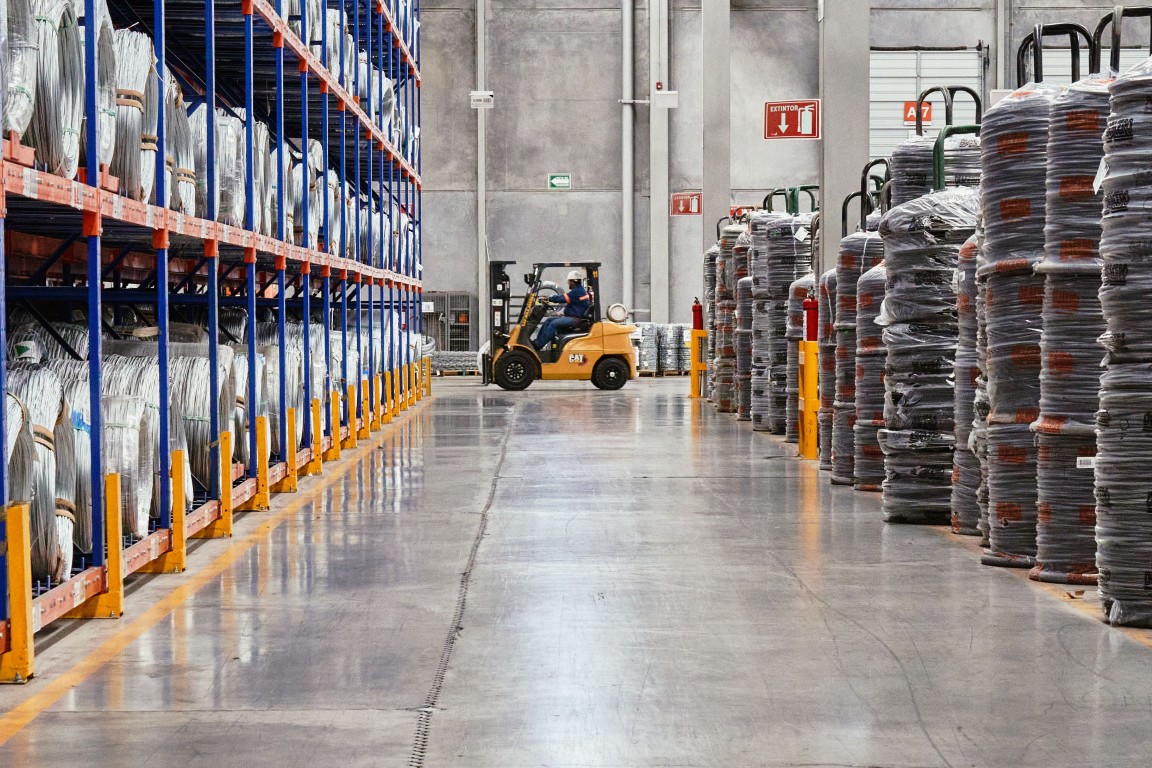
Artificial Intelligence is transforming warehousing by improving inventory accuracy, warehouse layout, picking, replenishment, labor planning and fulfillment operations. By combining AI with warehouse management systems, computer vision, robotics, IoT and predictive analytics, warehouse operators can increase throughput, reduce errors and improve order fulfillment efficiency.
10 Important AI Use Cases for Warehousing Companies
1. AI Inventory Optimization
AI can analyze inventory levels, historical movement, demand forecasts, lead times and order patterns to determine optimal stock levels. This can reduce excess inventory while maintaining product availability.
2. Intelligent Warehouse Slotting
Machine learning can analyze product velocity, dimensions, weight, storage requirements and order combinations to recommend optimal storage locations. Better slotting can reduce travel time and improve picking efficiency.
3. AI-Powered Picking Optimization
AI can determine efficient picking sequences based on order priorities, warehouse layout, worker availability and product locations. This can reduce picker travel time and increase order-processing speed.
4. Automated Sorting and Computer Vision
Computer vision can identify packages, barcodes, labels, dimensions and product characteristics during receiving and dispatch. AI-powered sorting can reduce manual handling and improve accuracy.
5. Predictive Demand and Replenishment
AI can forecast product demand and predict when inventory will fall below required levels. Automated replenishment recommendations can help warehouses maintain appropriate stock without unnecessary overstocking.
6. Workforce and Labor Optimization
AI can analyze order volume, workload, worker availability, skills and shift patterns to optimize labor allocation. This can help warehouses manage peak periods more efficiently.
7. Predictive Maintenance for Warehouse Equipment
AI can monitor conveyors, sorters, forklifts, automated storage systems and other equipment using sensor and operational data. Predictive models can identify potential failures before they disrupt warehouse operations.
8. Warehouse Safety and Monitoring
Computer vision and AI can monitor warehouse environments for unsafe conditions, restricted-area access, vehicle movement and other operational risks. Real-time alerts can support proactive safety management.
9. Dock, Yard and Fulfillment Optimization
AI can optimize receiving schedules, dock assignments, loading sequences, staging areas and dispatch priorities. This can reduce congestion and improve the flow of goods through the facility.
10. Warehouse Business Intelligence
AI-powered analytics can combine inventory, orders, labor, equipment, transportation and financial data into unified dashboards. Management can monitor throughput, order accuracy, inventory turnover, labor productivity, fulfillment costs and warehouse profitability.
Potential Business Impact
| Business Area | Potential AI Impact |
|---|---|
| Inventory | Better stock levels and inventory accuracy |
| Picking | Faster order processing |
| Sorting | Improved parcel and product identification |
| Fulfillment | Higher throughput and service levels |
| Labor | Better workforce allocation |
| Equipment | Reduced unplanned downtime |
| Space | More efficient warehouse utilization |
| Safety | Better monitoring of operational risks |
| Costs | Lower handling and fulfillment costs |
| Management | Better real-time warehouse visibility |
Recommended AI & Software Stack
| Business Requirement | AI / Software | Use in Warehousing Companies | Website |
|---|---|---|---|
| Warehouse Management | Manhattan Active | Warehouse management, inventory, labor and fulfillment | Manhattan Associates |
| Warehouse Management | Blue Yonder | Warehouse, labor and supply-chain optimization | Blue Yonder |
| Warehouse Management | SAP Extended Warehouse Management | Inventory, warehouse and fulfillment management | SAP |
| Warehouse Management | Oracle Warehouse Management | Warehouse operations, inventory and fulfillment | Oracle |
| Warehouse Automation | Dematic | Automated storage, conveyors, sorting and fulfillment systems | Dematic |
| Warehouse Robotics | AutoStore | Automated storage and robotic picking systems | AutoStore |
| Robotics | Locus Robotics | Autonomous mobile robots for warehouse fulfillment | Locus Robotics |
| Machine Vision | Cognex | Barcode reading, package identification and inspection | Cognex |
| Fleet & Telematics | Samsara | Warehouse vehicle and operational telemetry | Samsara |
| Supply Chain Planning | Kinaxis | Demand, inventory and supply-chain planning | Kinaxis |
| AI & LLM | OpenAI | Warehouse assistants, document intelligence and workflows | OpenAI |
| Cloud AI | Microsoft Azure AI | Machine learning, computer vision and enterprise AI | Azure AI |
| Cloud AI | Google Cloud | AI, ML and warehouse analytics | Google Cloud |
| Cloud Infrastructure | AWS | Scalable warehouse applications and IoT infrastructure | AWS |
| IoT | AWS IoT | Connected warehouse equipment and sensor data | AWS IoT |
| Data & AI | Databricks | Warehouse data engineering and machine learning | Databricks |
| Data Warehouse | Snowflake | Centralized inventory, order and operational data | Snowflake |
| Business Intelligence | Power BI | Warehouse, inventory and fulfillment dashboards | Power BI |
| Analytics | Tableau | Warehouse performance and operational visualization | Tableau |
| Workflow Automation | UiPath | Warehouse administration, billing and back-office automation | UiPath |
| Procurement | Coupa | Supplier, procurement and spend management | Coupa |
| CRM | Salesforce | Customer, account and logistics relationship management | Salesforce |
| Workforce Management | Workday | Workforce and organizational management | Workday |
| Communication | Twilio | Automated customer and logistics notifications | Twilio |
| Digital Documents | DocuSign | Supplier, customer and logistics documentation | DocuSign |
Warehousing Technology Value Chain
Supplier → Inbound Booking → Transportation → Receiving → Unloading → Inspection → Barcode/RFID Scanning → Goods Receipt → Putaway → Inventory Management → Warehouse Slotting → Storage → Replenishment → Order Management → Picking → Packing → Sorting → Staging → Loading → Dispatch → Transportation → Delivery → Returns → Reverse Logistics → Inventory Reconciliation → Warehouse Analytics → Business Intelligence → Continuous Improvement
The Future of AI-Powered Warehousing
The future of warehousing will increasingly combine AI, robotics, computer vision, IoT, predictive analytics and warehouse automation.
Smart warehouses will continuously optimize inventory placement, picking routes, workforce allocation and equipment utilization based on real-time operating conditions. Autonomous robots and computer vision will increasingly automate movement, identification, sorting and fulfillment activities.
Generative AI will also support warehouse operators through intelligent copilots that can answer operational questions, summarize warehouse performance, analyze exceptions and provide access to standard operating procedures and internal knowledge.
How Blackcoffer Can Help Warehousing Companies
Blackcoffer can help warehousing companies build and integrate AI-powered solutions across inventory optimization, warehouse automation, intelligent picking, computer vision, predictive maintenance, workforce planning, fulfillment analytics and business intelligence.
Our capabilities include:
- AI and machine learning solutions
- AI inventory optimization
- Warehouse slotting optimization
- Picking and fulfillment optimization
- Computer vision and barcode intelligence
- Warehouse robotics integration
- Predictive maintenance
- Demand forecasting and replenishment
- Workforce optimization
- Warehouse safety monitoring
- IoT and sensor analytics
- Generative AI and LLM applications
- RAG and enterprise knowledge systems
- Warehouse dashboards and BI
- Workflow automation
- Cloud and data engineering
- Custom warehouse-management software
Conclusion
AI can help warehousing companies improve inventory accuracy, optimize storage space, accelerate picking and fulfillment, reduce equipment downtime and improve operational visibility. By integrating AI with warehouse management systems, robotics, computer vision and IoT, warehouse operators can build smarter, faster and more scalable fulfillment operations.
Contact
Are you seeking a similar solution?
Please reach me:
Email: ajay@blackcoffer.com
WhatsApp: +91 9717367468
LinkedIn: linkedin.com/in/asbidyarthy
Web Whatsapp: https://wa.me/919717367468