Introduction
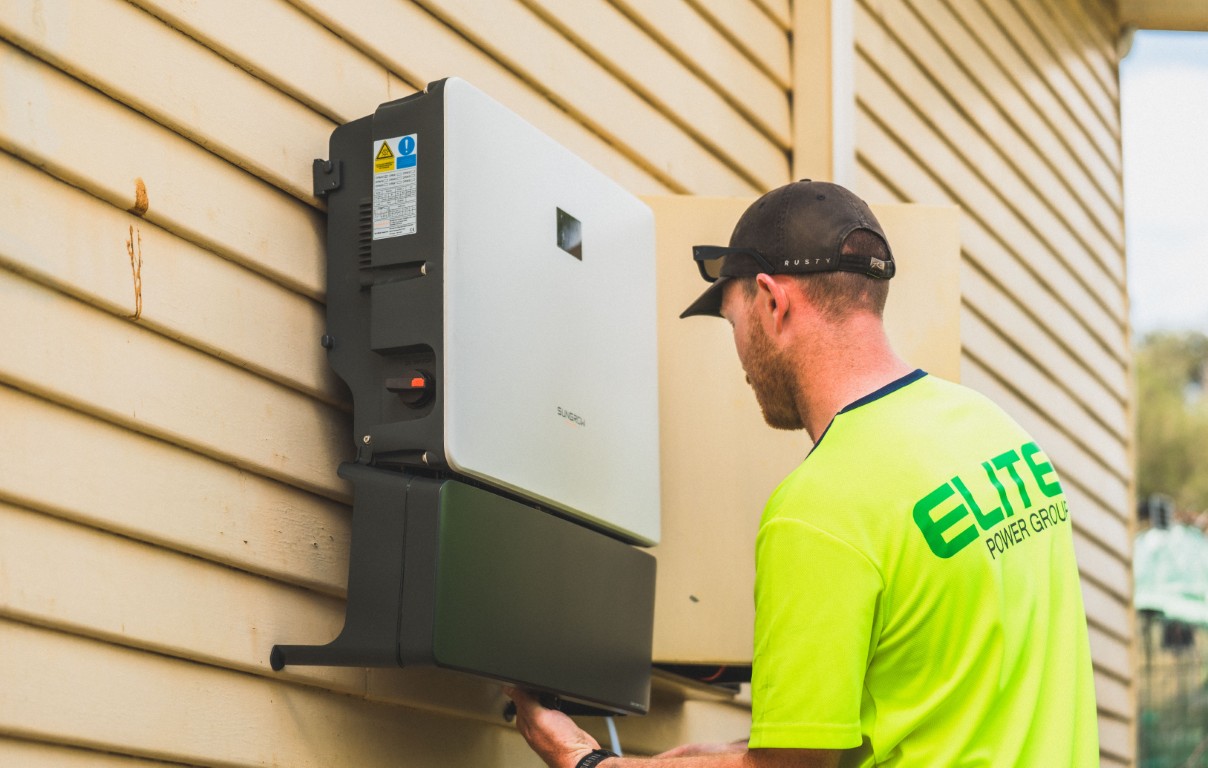
Smart home installers design, integrate and maintain connected residential systems, including smart lighting, climate control, security, surveillance, home entertainment, networking, automated blinds, access control and energy management.
Their projects involve homeowners, architects, builders, equipment suppliers, technology manufacturers, installation technicians and ongoing support teams.
Device compatibility issues, complex wiring and configuration requirements, inaccurate estimates, installation delays and fragmented customer information can increase costs and reduce profitability.
Artificial Intelligence can help smart home installers transform system design, project execution, troubleshooting and customer support through intelligent automation and predictive analytics.
AI can analyze property information, device specifications, network diagnostics, installation records, customer preferences and operational data to improve installation quality and business performance.
1. AI-Powered Smart Home Design & System Recommendations
Every smart home project has different requirements based on the property, homeowner preferences, budget and existing infrastructure.
AI can help installers develop preliminary system designs using:
- Floor plans and property layouts
- Room dimensions
- Lighting requirements
- Networking needs
- Security requirements
- Entertainment preferences
- Energy-management goals
- Budget constraints
For example, an AI assistant could prepare a preliminary recommendation for a home requiring automated lighting, motorized blinds, climate control, security cameras and centralized entertainment.
It can organize device requirements and identify questions that need clarification before the installer finalizes the design.
Potential impact: Faster consultations, more personalized proposals and reduced design preparation effort.
2. AI Device Compatibility & System Integration
Smart home installations frequently involve devices from different manufacturers and communication protocols.
AI can assist installers in checking product documentation, integration requirements and system dependencies across compatible technologies.
Applications include:
- Device specification analysis
- Protocol compatibility review
- Controller selection
- Network requirement identification
- Integration dependency mapping
- Firmware requirement tracking
- Configuration documentation
- Identification of unsupported features
An AI knowledge assistant can retrieve information from approved manufacturer manuals and installation guides to help technicians identify compatible devices and supported integration methods.
The final compatibility assessment should be verified against current product specifications, firmware versions and vendor documentation.
Potential impact: Fewer configuration errors, faster system planning and reduced integration rework.
3. AI Estimates, Proposals & Bill of Materials Automation
Preparing smart home proposals requires detailed information about devices, accessories, installation labor, programming and commissioning.
AI can help automate:
- Device and component lists
- Preliminary bills of materials
- Labor-hour estimates
- Installation cost calculations
- Product package comparisons
- Project scope documentation
- Proposal generation
- Change-order summaries
For example, an installer could use an approved system design to generate separate proposals for essential automation, premium automation and whole-home integration.
AI can also compare supplier quotations and highlight missing components or inconsistent quantities.
Potential impact: Faster quotation preparation, more consistent proposals and better project-cost visibility.
4. AI Technician Scheduling & Installation Planning
Smart home installations often involve several technical disciplines, including networking, electrical work, lighting control, audiovisual systems, security and software configuration.
AI can optimize schedules based on:
- Technician skills
- Project requirements
- Site readiness
- Equipment availability
- Installation duration
- Travel time
- Builder or contractor dependencies
- Commissioning requirements
It can identify scheduling conflicts and recommend the correct technician for each installation phase.
For larger projects, AI can help coordinate infrastructure preparation, equipment installation, network configuration, programming and final testing.
Potential impact: Better technician utilization, fewer site revisits and improved project delivery.
5. AI Installation Assistance & Commissioning Automation
Smart home systems require detailed configuration, device pairing, testing and commissioning.
AI assistants can help technicians follow structured installation workflows.
Applications include:
- Installation checklists
- Device registration
- Network configuration guidance
- Configuration documentation
- Testing procedures
- Troubleshooting instructions
- Commissioning reports
- Customer handover documentation
For example, a technician could ask an internal AI assistant to retrieve the approved commissioning checklist for a lighting-control system or summarize the manufacturer’s documented pairing process.
AI can also compare the intended installation scope with completed checklist items to highlight missing steps.
Potential impact: More consistent installations, reduced documentation time and better handover quality.
6. AI Network Diagnostics & Predictive Troubleshooting
Reliable networking is essential for connected lighting, locks, thermostats, cameras, entertainment systems and automation controllers.
AI can analyze available diagnostic information to help identify:
- Connectivity failures
- Devices frequently disconnecting
- Unusual network traffic patterns
- Wireless coverage issues
- Controller availability
- Repeated device errors
- Firmware-related problems
- Integration failures
When remote monitoring systems provide sufficient telemetry, AI can correlate device logs and network events to prioritize likely causes.
For example, repeated disconnections affecting several devices in the same area may indicate a shared connectivity issue rather than multiple independent device failures.
Potential impact: Faster troubleshooting, fewer unnecessary service visits and improved system reliability.
7. AI Predictive Maintenance & Remote Support
After installation, customers expect their smart home systems to remain reliable as devices, software and network conditions change.
AI can analyze authorized monitoring data, maintenance records and service histories to identify recurring problems.
Applications include:
- Device-health monitoring
- Battery replacement reminders
- Connectivity anomaly detection
- Controller and gateway monitoring
- Firmware-update tracking
- Maintenance scheduling
- Warranty tracking
- Service-ticket prioritization
Installers can use these insights to offer proactive maintenance plans and remote troubleshooting services.
Potential impact: Fewer avoidable disruptions, improved customer retention and stronger recurring-service revenue.
8. AI Customer Support & Smart Home Assistant
Homeowners often need assistance with routines, device settings, automation scenes and troubleshooting.
An AI-powered support assistant can answer questions such as:
- How do I configure a lighting scene?
- Why is my smart device offline?
- How can I adjust the thermostat schedule?
- How do I create an away-from-home routine?
- When is my next maintenance visit?
- Which devices are included in my installation?
The assistant can provide guidance using approved manuals, customer-specific system documentation and authorized device information.
It can operate through websites, mobile applications, messaging platforms and customer portals.
For sensitive actions involving door locks, security systems or access permissions, the assistant should enforce authentication and authorization before performing any operation.
Potential impact: Faster customer support, reduced repetitive inquiries and improved post-installation experience.
9. AI Energy Optimization & Smart Home Automation
Smart home installers can use AI to help homeowners manage energy consumption and automate connected equipment.
Where compatible devices and reliable data are available, AI can analyze:
- Temperature settings
- Occupancy patterns
- Lighting schedules
- Energy consumption
- Equipment runtime
- Weather conditions
- Solar generation and battery data
AI can recommend schedules for heating, cooling, lighting and other connected systems.
For example, an automation system might suggest adjusting lighting schedules and climate-control settings based on occupancy and household preferences.
Energy-related automation should preserve comfort, equipment operating requirements and user-defined limits.
Potential impact: More efficient energy use, improved automation experiences and opportunities to offer premium smart-home services.
10. AI Smart Home Installation Business Intelligence & Copilot
An AI-powered business platform can combine information from CRM, estimating, project management, device support, procurement and accounting systems.
Smart home installation business owners can ask:
“Which types of installations generate the highest gross margins?”
or:
“Which device brands generate the most service tickets?”
or:
“Which completed projects are due for maintenance follow-up?”
AI can analyze:
- Lead conversion
- Installation revenue
- Equipment costs
- Labor utilization
- Project profitability
- Installation delays
- Service-ticket volume
- Warranty costs
- Maintenance renewals
- Customer satisfaction
- Technician productivity
- Supplier performance
This transforms conventional installation management software into an AI-powered decision-support platform.
Potential Business Impact
Actual results depend on installation complexity, company size, device ecosystems, monitoring capabilities, data quality and software integration. The following are illustrative targets for pilot initiatives, not guaranteed outcomes.
| Business Area | Potential Target |
|---|---|
| Proposal preparation time | -30–60% |
| System documentation workload | -30–50% |
| Technician scheduling administration | -20–40% |
| Troubleshooting time | -15–30% |
| Repeat service visits | -10–20% |
| Administrative workload | -30–50% |
| Customer support response | 24/7 |
| Procurement planning time | -20–40% |
| Maintenance follow-up workload | -30–50% |
| Management reporting | Major automation |
Recommended AI & Software Stack for Smart Home Installers
| Business Requirement | AI / Software | Use in Smart Home Installation | Website |
|---|---|---|---|
| System design, estimating and project management | D-Tools | Smart home system design, proposals, bills of materials, procurement, installation and service management | D-Tools |
| Whole-home automation | Control4 | Integrated lighting, entertainment, climate, security and connected-device control | Control4 |
| Advanced home automation | Crestron Home | Integrated lighting, shading, entertainment, climate and home-control solutions | Crestron |
| Smart lighting and shading | Lutron HomeWorks | Lighting control, automated shades, keypads and premium residential automation | Lutron HomeWorks |
| Voice-controlled automation | Josh.ai | Natural-language control, voice interfaces and integrated smart home experiences | Josh.ai |
| Open-source smart home platform | Home Assistant | Device integrations, local automation, dashboards and custom smart home workflows | Home Assistant |
| Security and connected-home services | Alarm.com | Security systems, smart-home automation, remote monitoring and installer-supported services | Alarm.com |
| Network installation and management | Ubiquiti UniFi | Home networking, Wi-Fi, switching, gateways and network visibility | Ubiquiti |
| Remote installation management | OvrC | Remote monitoring, device management, troubleshooting and support for compatible connected systems | OvrC |
| AI assistants and knowledge systems | OpenAI | Technical support assistants, device documentation search, proposal generation and business analysis | OpenAI |
| Cloud AI and document intelligence | Microsoft Azure AI | Document extraction, image analysis and custom AI applications | Azure AI |
| Cloud AI and analytics | Google Cloud | Machine learning, forecasting and connected-device data analysis | Google Cloud |
| Cloud infrastructure and IoT | AWS | Device data processing, scalable AI applications and connected-system integrations | AWS |
| Data and AI platform | Databricks | Combining customer, device, service and business data for analytics | Databricks |
| Data warehouse | Snowflake | Centralized business and service data for reporting and AI | Snowflake |
| Business intelligence | Power BI | Installation revenue, service tickets, technician utilization and project-profitability dashboards | Power BI |
| CRM and sales management | Salesforce | Customer relationships, project opportunities, service history and sales forecasting | Salesforce |
| Marketing automation | HubSpot | Lead generation, email campaigns, customer segmentation and follow-ups | HubSpot |
| Workflow automation | Make | Connecting CRM, installation systems, AI, notifications and reporting | Make |
| Workflow automation | Zapier | Automating repetitive sales, customer-support and administrative workflows | Zapier |
| Customer communication | Twilio | SMS, voice communication, appointment reminders and service notifications | Twilio |
| Payments and subscriptions | Stripe | Installation payments, recurring support subscriptions and online billing | Stripe |
| Digital contracts | DocuSign | Installation proposals, service agreements, approvals and digital signatures | DocuSign |
The ideal technology stack depends on whether the installer focuses on residential automation, luxury homes, audiovisual integration, security, energy management or multi-property deployments.
A practical architecture is to connect existing smart home platforms with AI, remote monitoring, CRM, analytics and workflow automation, rather than replace every installed technology system.
AI-Powered Smart Home Installation Value Chain
Market Research → Lead Generation → Customer Inquiry → Requirements Analysis → Property Survey → Network Assessment → System Design → Device Compatibility Review → Bill of Materials → Cost Estimation → Proposal → Customer Approval → Procurement → Equipment Staging → Installation Scheduling → Infrastructure Preparation → Device Installation → Network Configuration → System Integration → Automation Programming → Commissioning → Quality Testing → Customer Training → Documentation → Payment → Remote Monitoring → Troubleshooting → Predictive Maintenance → Warranty Management → Subscription Renewal → Customer Feedback → Referral Generation → Service Analytics → Project Profitability → Business Intelligence → Continuous Improvement
The Future of AI-Powered Smart Home Installers
The future smart home installation business will operate as an intelligent ecosystem combining:
System Design + Connected Devices + Networking + Lighting + Security + Climate Control + Remote Monitoring + CRM + Accounting
↓
Centralized Smart Home Data Platform
↓
AI & Predictive Analytics
↓
Automated Installation & Support Workflows
↓
AI Smart Home Business Copilot
↓
Faster Installations + Better Reliability + Proactive Support + Lower Operating Costs + Recurring Revenue Growth
AI will increasingly connect system design, installation, device monitoring and customer support throughout the smart home lifecycle.
The objective is not to replace smart home integrators or technicians. It is to reduce repetitive configuration and documentation work, troubleshoot problems faster, improve system reliability and help installation businesses deliver better customer experiences.
Responsible implementation requires secure device authentication, least-privilege access, appropriate network segmentation and careful handling of customer information. AI should not independently perform sensitive security or access-control actions without the required authorization and safeguards.
How Blackcoffer Can Help Smart Home Installers
Blackcoffer can help smart home installers implement:
- AI-assisted system design
- Device compatibility and documentation assistants
- AI estimating and bill-of-materials automation
- Technician scheduling optimization
- Installation and commissioning assistants
- Network diagnostics and troubleshooting intelligence
- Predictive maintenance workflows
- Customer-support chatbots and voice assistants
- Smart home energy analytics
- CRM and service automation
- Installation profitability dashboards
- Device monitoring and IoT integrations
- Secure RAG-based technical knowledge systems
- AI Smart Home Business Copilot
Our approach is:
Identify the highest-value business problem → Build a focused AI solution → Integrate with existing systems → Measure ROI → Scale across smart home operations.
Build Your AI-Powered Smart Home Installation Business
Want to prepare proposals faster, reduce installation errors, troubleshoot devices efficiently, improve customer support and grow recurring service revenue?
Blackcoffer can design and implement an AI-powered technology ecosystem tailored to your smart home installation business.
Contact
Are you seeking a similar solution?
Please reach me:
Email: ajay@blackcoffer.com
WhatsApp: +91 9717367468
LinkedIn: linkedin.com/in/asbidyarthy
Web Whatsapp: https://wa.me/919717367468